August 6, 2026
The automotive industry is in a continuous state of evolution, and the practice of repurposing vehicle components is emerging as a key pillar of modern transport infrastructure. Utilizing professional auto part services is crucial not only for enhancing environmental sustainability but also for optimizing manufacturing resources and reducing industrial waste. This article delves into the multifaceted advantages of recycling car components, exploring the meticulous processes involved and the broader implications for the economy. It addresses the intersection of advanced technology, changing market dynamics, and individual repair choices that collectively give pre-owned car components a second life. By expanding on these core themes, we highlight the vital role of eco-friendly salvaging in reshaping the automotive landscape.
Overview of the Auto Parts Recycling Industry
The commercial recovery of vehicle components has experienced remarkable growth over recent decades, evolving into a sophisticated global industry. Driven by heightened public awareness regarding resource conservation, individual drivers and commercial fleet operators increasingly rely on auto part services as an effective strategy to reduce total vehicle ownership costs. This growth is accelerated by rapid technological advancements in dismantling and refurbishing, which allow a broader range of complex components to be safely reclaimed. According to Gitnux, approximately 40% of auto parts sold are remanufactured or rebuilt items, underscoring the market's heavy reliance on sustainable solutions. The sector's upward trajectory offers immense promise as stakeholders embrace both the fiscal and ecological advantages of circular manufacturing.
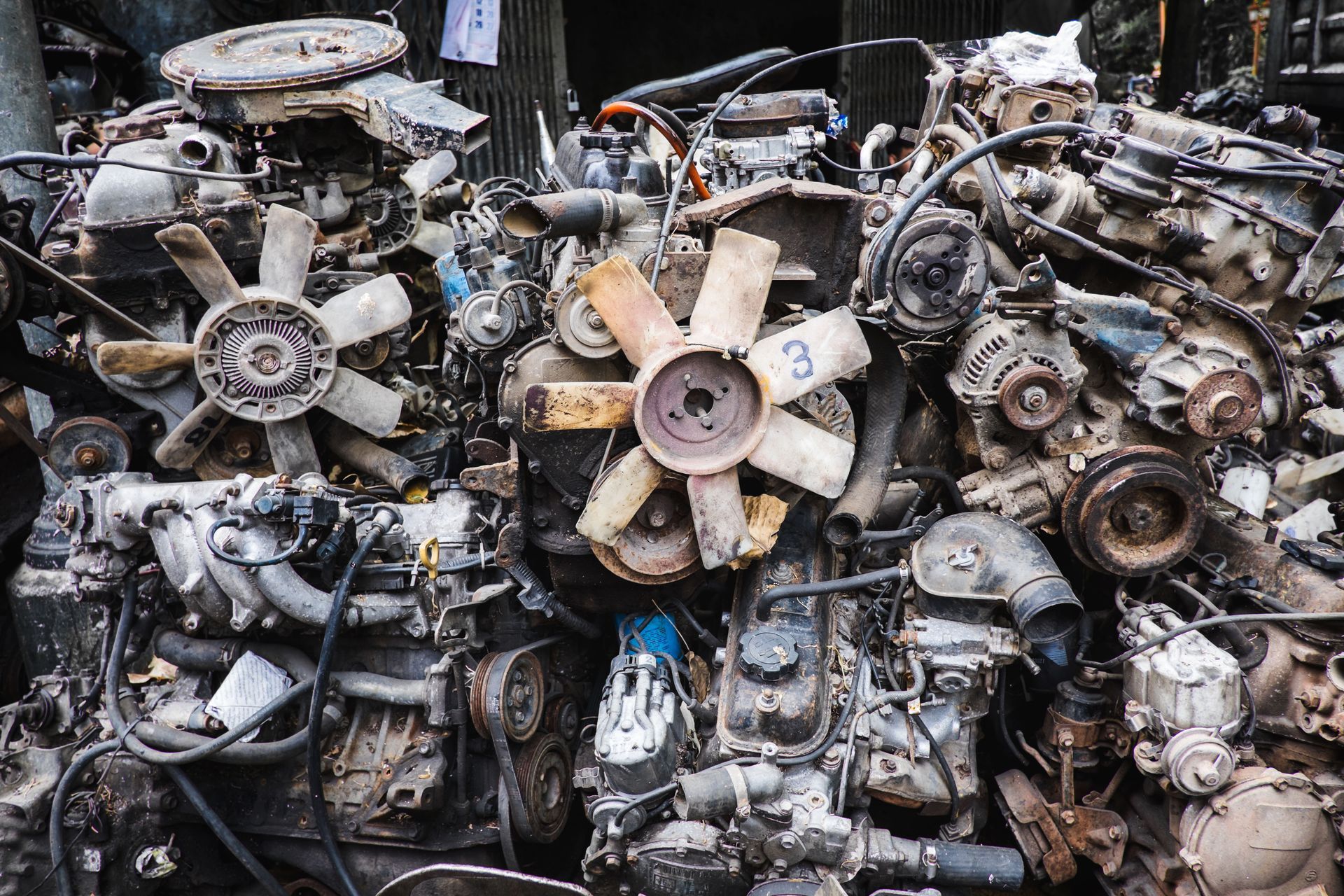
Market dynamics within this space involve a diverse ecosystem of stakeholders, ranging from local salvage yards to high-tech remanufacturing plants. Specialized facilities deconstruct end-of-life vehicles, working alongside automotive retailers to supply verified secondary parts. High-value mechanical systems—such as engines, transmissions, alternators, and starter motors—are primary candidates for recovery because original replacements carry hefty price tags. Additionally, high-volume items like aluminum wheels, battery packs, and steel body panels are routinely reclaimed using precision sorting systems. Modern robotics and automated disassembly tools further streamline these operations, ensuring that reclaimed components meet strict structural integrity standards before entering inventory.
Despite this technical progress, the sector faces lingering operational challenges. Complying with evolving regional environmental regulations requires continual capital investment in fluid containment and hazardous material handling. Furthermore, overcoming outdated consumer perceptions regarding the safety and durability of pre-owned components remains an ongoing priority. Addressing these hurdles requires transparent quality assurance, robust consumer education, and standardized testing protocols that prove refurbished parts match original factory specifications.
Environmental Benefits of Recycling Car Components
Repurposing automotive components delivers extraordinary ecological benefits, starting with a direct reduction in industrial waste. Millions of vehicles reach the end of their operational lifespans every year, posing significant disposal challenges for municipal landfills. By extracting and reconditioning functional assemblies, auto part services divert thousands of tons of metal, rubber, and glass away from waste streams. This active diversion mitigates land degradation, prevents toxic fluid runoff, and relieves pressure on regional waste management facilities.
Furthermore, remanufacturing existing components requires dramatically less energy than producing brand-new parts from virgin materials. Traditional manufacturing involves resource-intensive mining, ore refining, and high-temperature forging. In contrast, reconditioning a salvaged engine block or transmission casing can save up to 85% of the energy consumed during raw production. This drastic reduction in energy expenditure translates directly into lower greenhouse gas emissions, shrinking the carbon footprint of the entire transportation sector.
Conserving natural resources is another vital outcome of robust automotive recycling. Recovering high-grade steel, copper wiring, and rare earth metals reduces the global demand for destructive mining operations. Lowering raw material extraction also protects pristine ecosystems and conserves millions of gallons of industrial process water. By encouraging drivers to choose recycled assemblies, auto part services foster sustainable consumer habits, demonstrating that environmental stewardship and reliable vehicle maintenance can comfortably coexist.
Economic Advantages for Consumers and Businesses
From a financial perspective, recycled vehicle components provide substantial cost savings across the board. Quality remanufactured items generally cost 30% to 50% less than brand-new original equipment manufacturer alternatives. These savings allow vehicle owners to manage unexpected mechanical repairs without incurring unmanageable debt. For commercial fleet operators and independent repair shops, sourcing verified secondary parts reduces procurement overhead, allowing businesses to maintain competitive labor rates and healthier profit margins.
Beyond individual savings, professional auto part services serve as powerful catalysts for local economic growth. Salvage operations, specialized machine shops, and regional logistics providers generate stable, non-exportable jobs within their communities. The industry creates diverse employment opportunities ranging from certified mechanics and disassemblers to inventory specialists and quality control technicians. As these green businesses expand, they reinvest capital locally, stimulating ancillary service sectors like freight transport and industrial tooling supply.
Additionally, the widespread availability of reliable recycled parts fosters healthier market competition. Offering affordable, high-quality alternatives counteracts monopolistic pricing on new replacement parts, pressuring original manufacturers to keep pricing fair. Recognizing these widespread economic and environmental contributions, many governmental bodies offer tax credits, grants, and environmental subsidies to facilities that invest in advanced recycling infrastructure. These financial incentives help businesses modernize equipment, ensuring long-term resilience and sustained job creation.
The Process and Quality Assurance of Auto Parts Recycling
The journey of a recycled component begins with systematic vehicle collection, inventorying, and hazard fluid depollution. Technicians carefully inspect incoming vehicles, identifying salvageable assemblies based on wear levels, structural soundness, and market demand. Usable parts are extracted using specialized hydraulic tools, sorted by material grade, and prepared for detailed technical evaluation. Precision extraction prevents damage to delicate electrical connectors and internal gear sets, ensuring maximum recovery rates from every donor chassis.
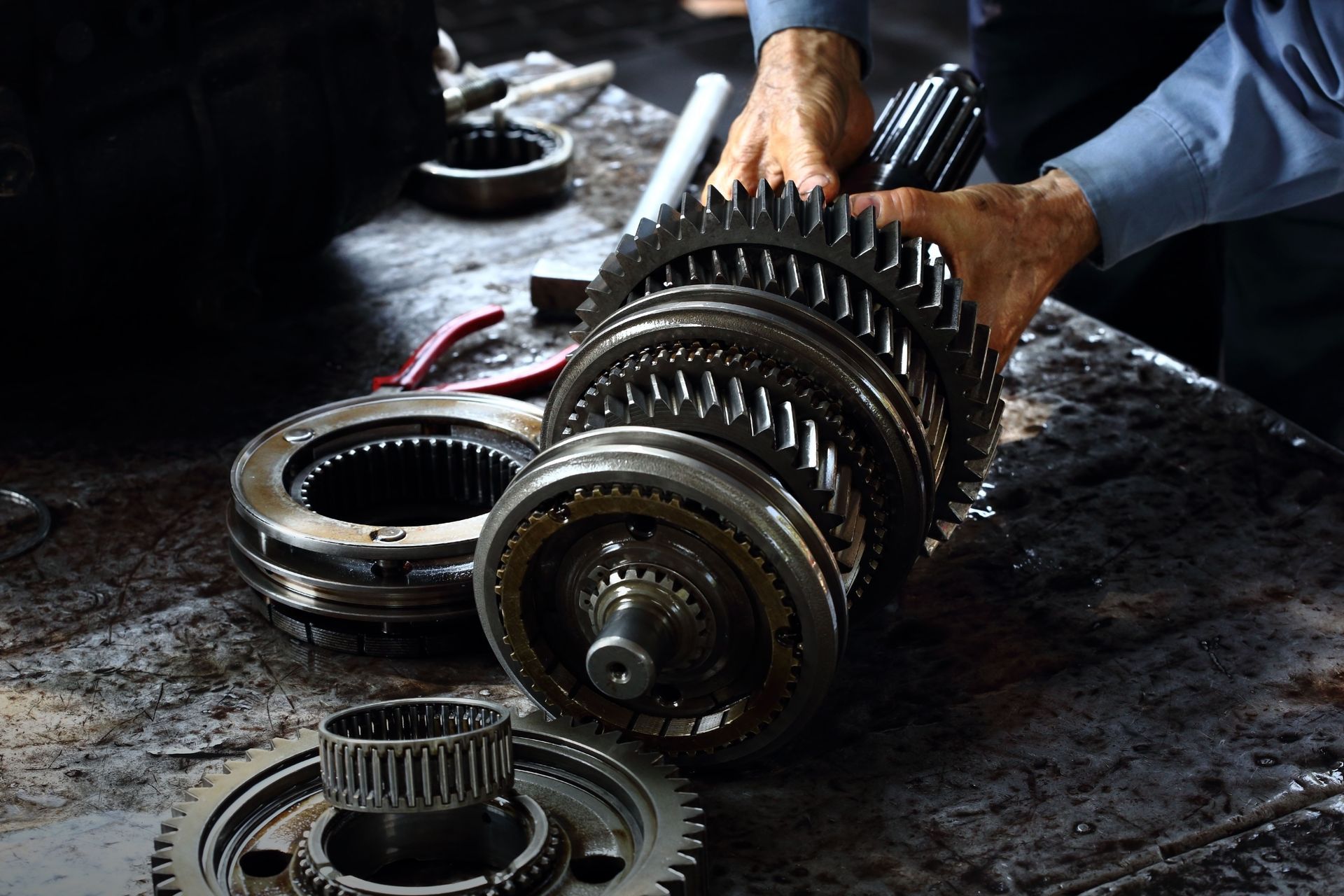
Following initial extraction, components undergo rigorous cleaning, microscopic crack testing, and functional bench testing. Skilled technicians disassemble mechanical systems to replace worn internal seals, bearings, and bushings with new high-specification elements. Adherence to strict international quality standards, such as ISO certifications, governs every stage of the refurbishing workflow. Advanced diagnostic instruments verify that electrical outputs, hydraulic pressures, and mechanical tolerances fully mirror factory performance specifications.
Future Trends in Auto Parts Recycling
Looking ahead, the automotive recycling sector is poised for rapid technological evolution. The integration of artificial intelligence and automated sorting machinery is revolutionizing how materials are categorized and processed. Smart inspection tools can instantaneously identify micro-fractures in cast metal components, dramatically reducing human error during quality audits. Furthermore, as electric vehicle adoption increases, recyclers are developing specialized protocols to safely decommission, test, and repurpose high-voltage lithium-ion battery modules for stationary energy storage systems.
Simultaneously, automotive design philosophies are shifting toward end-of-life circularity. Leading vehicle manufacturers are collaborating directly with recycling engineers to design automobiles that are easier to disassemble and remanufacture. Using modular component layouts, standardized fastener sizes, and labeled polymer materials simplifies dismantling, maximizing resource recovery at the end of a vehicle's life cycle. This close industry collaboration ensures that sustainable practices are embedded into a car's initial architecture long before it ever hits the road.
Engaging professional auto part services delivers exceptional value by blending environmental responsibility with practical economic savings. Salvaging and reconditioning quality car components conserves vital natural resources, reduces industrial emissions, and lowers repair costs for drivers and fleet managers alike. The industry's dedication to rigorous testing, standardized certifications, and comprehensive warranty coverage guarantees that choosing recycled alternatives never compromises road safety or long-term vehicle performance. As automotive technology continues to evolve, embracing circular supply chains will remain essential for building a cleaner, more sustainable transportation sector. When you are ready to source reliable, high-grade replacement components for your vehicle, trust the experienced team at Kingstown Auto Recycling to deliver the quality and performance you deserve.